
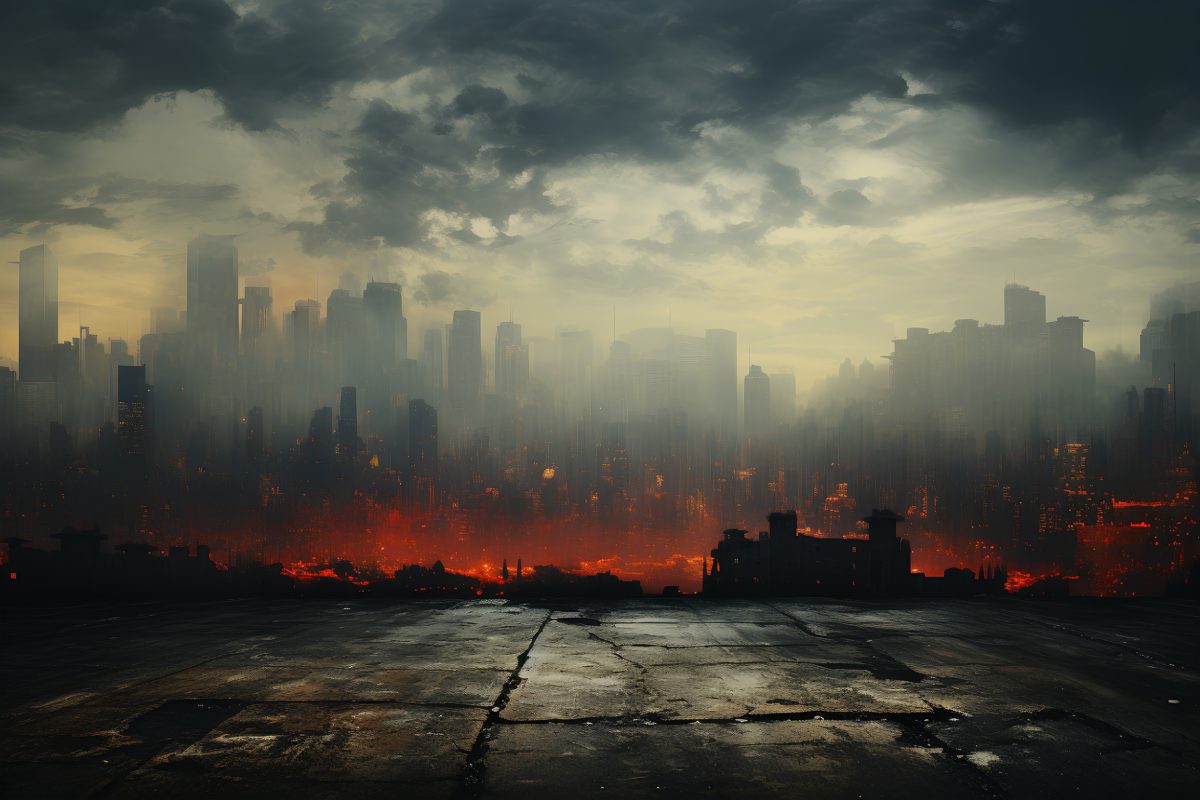
Each time we offer a workshop in dystopian literature, I’m asked why we would teach something so depressing. And, especially, why would we teach it to middle school kids? It’s true that I’ve read a few dystopian novels that I would never hand to a middle schooler because the present and future in these novels are dark, dour, without hope … That’s not the type of literature I want any kid to read.
Message of Hope
On the other hand, the dystopian novels we teach, and that I’m drawn to, are the novels with an overall message of hope: In them, we see that we can make positive changes. We can overcome obstacles. We can work together to make it work. And, middle school is not too young if the novel is one that will capture their imaginations, draw them into the storyworld, cause them to question what they know, and leave them pondering how their solution would differ from the characters’ in the book.
Finding Solutions
Anytime I can get a kid to engage, imagine, and wonder about something they’re reading, I take it as a positive. So, you’ll see that we have classes and write about dystopian novels for middle school, like The City of Ember by Jeanne DuPrau and The Giver by Lois Lowry. These books are about families facing difficult times that have been brought about by a supposed “perfect solution” that has gone wrong. The characters strive to understand the problem and come up with a solution.
Bottom Line
Middle-grade kids are very aware of the problems around them. Those that aren’t introduced through lessons at school are discovered as they move about in a larger, less sheltered world than they inhabited in elementary school. Faced with the challenges of climate change, food insecurity, lack of diversity, and a host of other social inadequacies and inequities, it’s vital for them to see that no problem is without a solution unless we choose to shrug our shoulders and give up before working to make things right.
Register for our February Reading Comprehension Workshop using The Giver as text.